Online CBT for Insomnia with a Clinical Psychologist
Lying awake at 3 a.m. again? Dreading bedtime? Tired all day, wired all night?
You are not lazy, and you have not “forgotten how to sleep”. Insomnia is a learned pattern between your body, your mind and your bed. The good news: patterns can be unlearned.
I am Dr Kamila Hortynska, a clinical psychologist with more than 25 years of experience. I worked as an accredited CBT therapist for 17 years and I use CBT for insomnia (CBT-I) with my clients online.

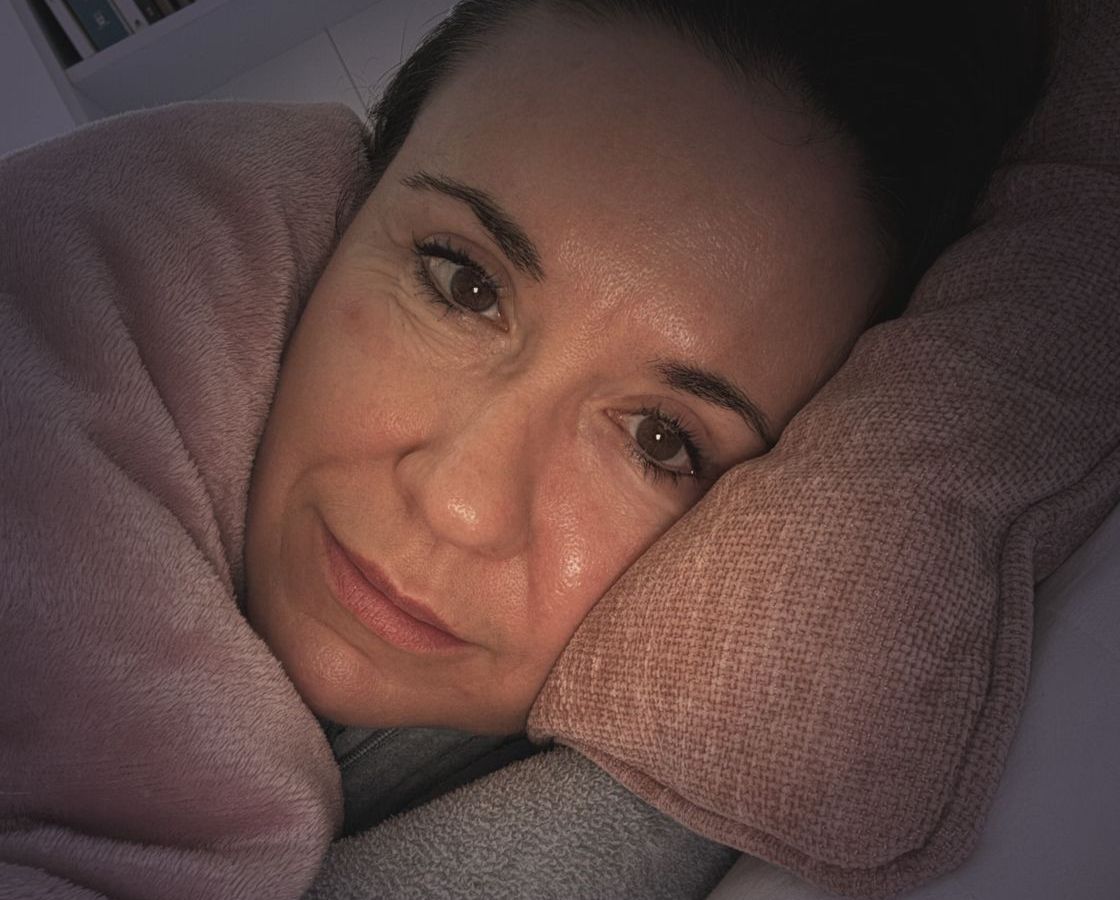
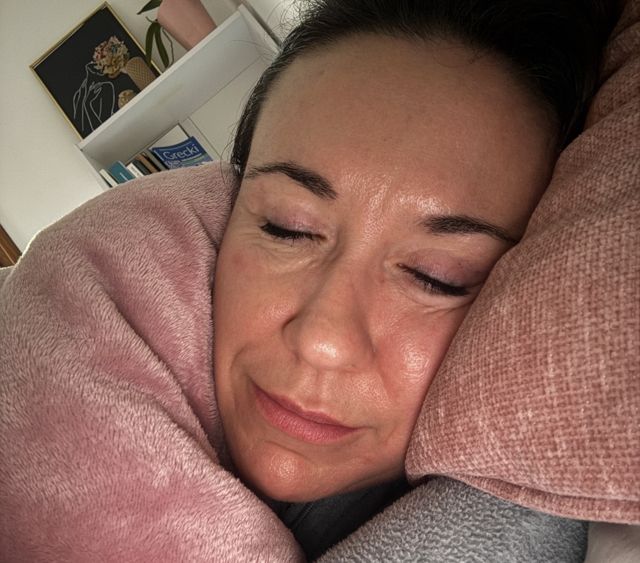
Why CBT-I, not just sleeping pills or sleep tips?
CBT-I is the treatment doctors’ guidelines recommend first for long-term insomnia. The American College of Physicians recommends it as the first treatment for all adults with chronic insomnia. Sleep tips alone rarely fix insomnia that has lasted months. Sleeping tablets can help for a short time, but they do not change the pattern that keeps you awake.
What we do together
- Look at your sleep pattern: a simple sleep diary, so we work with facts, not guesses.
- Reset your body clock: a personal sleep window that builds stronger sleep pressure.
- Retrain your bed: so your brain links bed with sleep again, not with worry and scrolling.
- Quieten the racing mind: tools for the 3 a.m. thoughts, including “worry time”, which I have taught since 2005.
- Calm your nervous system: breathing and mindfulness practices you can use in bed.
- Plan for bad nights: what to do during stressful weeks, travel and the odd bad night.
Sleep rarely lives on its own. If stress, anxiety, low mood, relationships or hormones are part of the picture, we work with those too.
Is this for you?
You have struggled to fall asleep, stay asleep, or you wake too early, for 3 months or more – and it is affecting your mood, work, concentration or relationships.
Sleep in perimenopause
Many women in their 40s tell me: “I used to sleep like a baby. Now I wake at 3 a.m. every night.” Changing hormones, night sweats and a busier mind can all break sleep in perimenopause. Over weeks, the worry about sleep can become part of the problem.
The UK menopause guideline from NICE says CBT can help with sleep problems linked to menopause, either alongside HRT or instead of it. In my work with women, I combine CBT-I with what I know about hormones and functional medicine, so we look at the whole picture, not only at the bedroom.
How it works
Sessions are on Zoom, wherever you live. Between sessions you keep a short sleep diary and try one or two small changes. You choose how many sessions you book – some people start with a single session or 3 sessions and decide from there.
Prices
- Single session (60 minutes): £222
- 3 sessions: £555 (to use within 3 months)
- 6 sessions: £888
- 10 sessions: £1,222 (to use within 12 months)
Instalment payments are available on all block packages.
CBT-I is not the right first step for some sleep problems, such as sleep apnoea, or if you work night shifts. If I think something needs checking with your doctor first, I will tell you on our call.
Prefer to start on your own? My guide The Perimenopausal Woman’s Guide to Sleep (£11).